







Search Results for: Full Body
Rich and Syrupy Body: Regions Beyond Mandheling
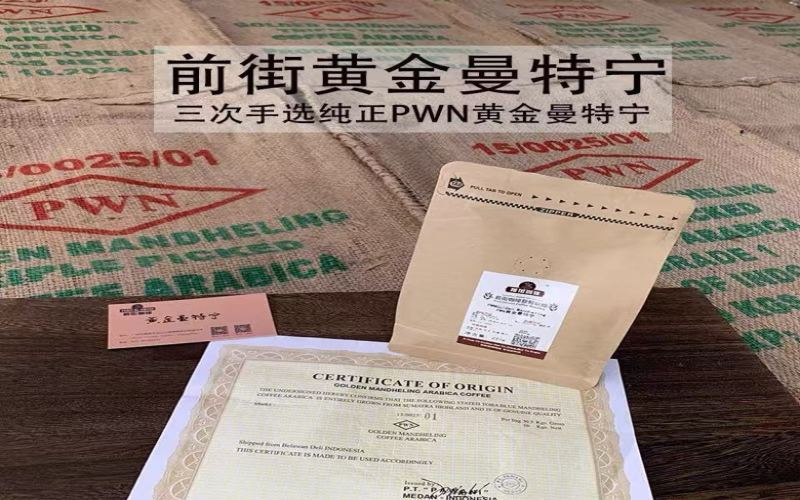
For a rich, full-bodied taste and a beautiful crema, many people's first choice is Mandheling. Mandheling is indeed the representative of the full-bodied style, but it's far from the only origin that offers that rich body and crema—getting to know a few more directions will give you a much wider range of choices. First, let's look at Mandheling. Sumatra Mandheling from Indonesia is the long-established representative of the full-bodied style—Front Street PWN Indonesia [more…]
Full-Bodied Coffee Beans: The Source of Body and How to Choose
Body is the sense of weight that coffee has on the tongue—dark roasts, low altitudes, and natural processing all add thickness to the body. Front Street Coffee's PWN Indonesian Golden Mandheling is the benchmark for full body: herbal dark chocolate plus a dense, velvety mouthfeel, entering the mouth like melted dark chocolate paste; the body of Brazil Queen's Estate is softer, carried by the sweetness of nuts and caramel. [more…]
How to Choose Full-Bodied Coffee Beans: Matching Flavor and Brewing Method by Roast Level
If you want to drink a full-bodied coffee, first look at the roast level, then consider how you plan to brew it. Light-roasted beans usually retain more of the bright aromatics, with a lighter mouthfeel; medium-roasted beans bring sweetness, aroma, and body together; medium-dark and dark roasts are more likely to show cocoa, nut, caramel, and roasty notes, and the weight on the palate also increases. Light roast and [more…]
Rich-Bodied Coffee Beans Recommendation | What Does "Body" Mean in Pour-Over Coffee? How to Brew Coffee with a Rich Body? Which Hand-Ground Coffee Beans Have a Noticeable Sweet Aftertaste?
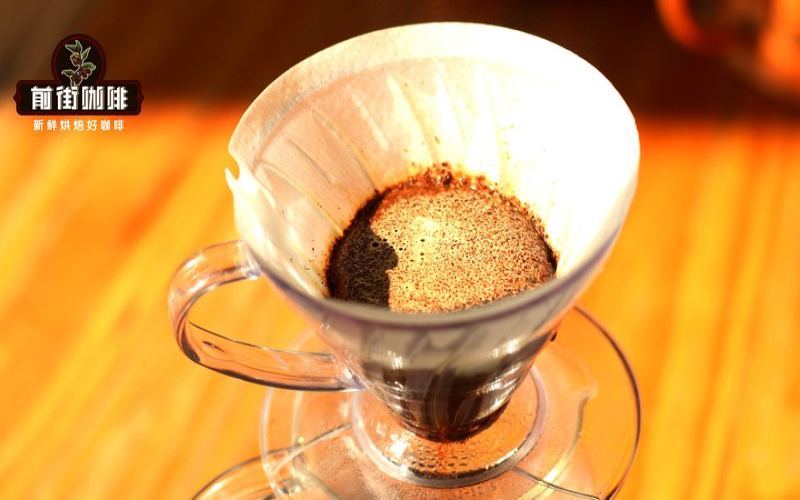
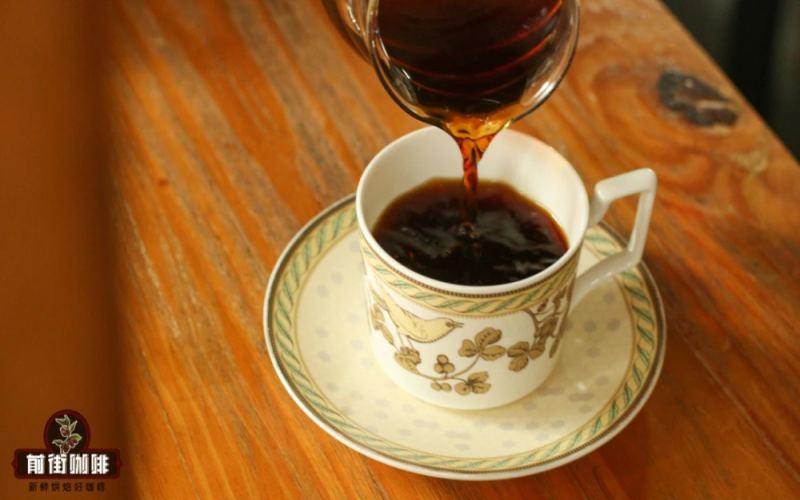
When evaluating whether a cup of coffee is good, Front Street believes that in addition to its flavor evaluation, we should also pay attention to its mouthfeel. Flavor mainly "serves" our sense of taste and smell, while mouthfeel "serves" our sense of touch. This texture is actually what we call the coffee's Body. When evaluating a cup of coffee's Body [more…]
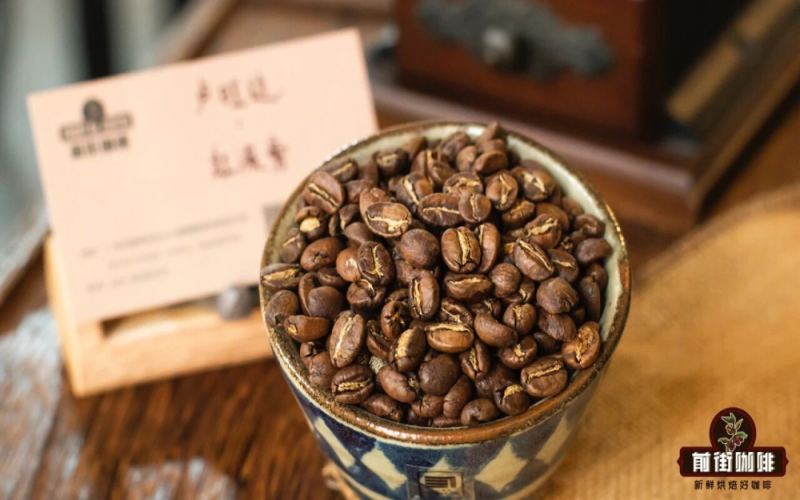
Selected Single-Origin Coffee Types | Which Coffee Beans to Use for Pour-Over, Cold Brew, and Ice Drip? What Are the Representative Specialty Coffees with Bright Acidity and Full Body?
Pour-over generally uses single-origin coffee beans, but with so many kinds available on the market, how do we quickly choose the one that suits us? The simplest method is to start from the coffee's flavor. Friends who don't like bitterness can prioritize medium-light roasted coffee beans: 1. Fresh floral: Front Street Coffee Rwanda Red Bourbon — berries, floral [more…]

Coffee Body | How to brew a rich, full-bodied pour-over coffee? Recommended single-origin pour-over coffee beans that are neither sour nor bitter and have a sweet aftertaste
People always like to describe the beauty of a cup of coffee as rich and sweet, but what is "rich"? What is "mellow"? Wherein lies the difference? The coffee bean roast levels commonly seen on the market can be roughly and simply divided into three categories: light roast, medium roast, and dark roast. To highlight a rich and full-bodied coffee taste, roasters generally [more…]
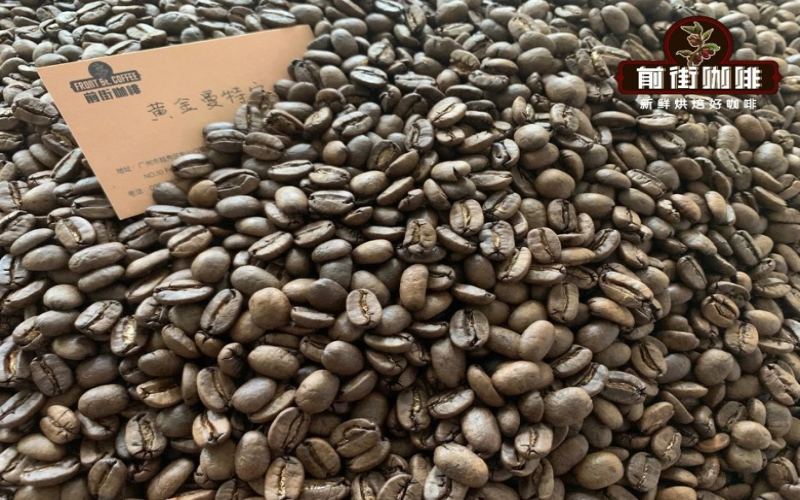
Which type of Mandheling is suitable for a Moka pot: how to choose a full-bodied flavor
Mandheling is well-suited for showcasing the steady, full-bodied side of a moka pot. It mainly comes from producing regions such as Sumatra in Indonesia, and its common flavors include dark chocolate, spices, wood, herbs, and black sugar. Its acidity is usually softer, and it has a noticeably weighty mouthfeel. The coffee brewed by a moka pot is more concentrated, which can bring out these [more…]

Want a full-bodied cup? Which roast level should you choose for your coffee beans?
The body of coffee comes both from the bean's origin and variety and is also closely related to the roast level. With a lighter roast, the bean's acidity, floral and fruity notes, and refreshing character tend to stand out more; as the roast deepens, nutty, cocoa, caramel, and roasted aromas gradually take center stage, and the cup feels more grounded on the palate. If you want to pick a coffee that drinks with weight [more…]
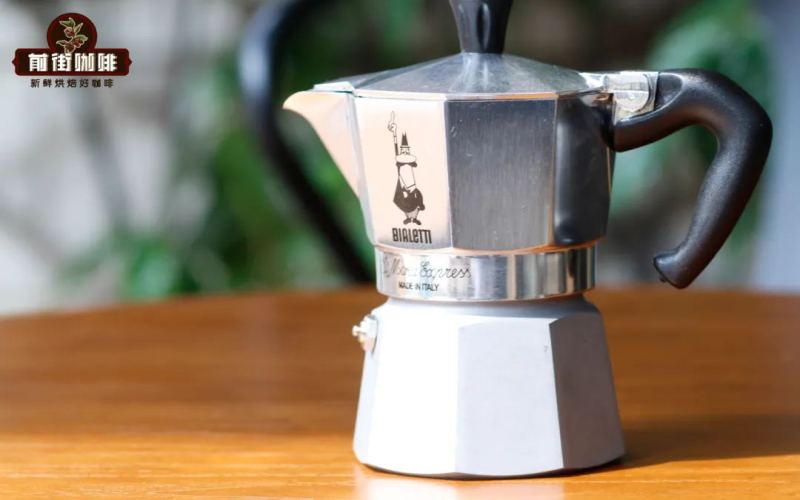
Making black coffee with a moka pot: key points for choosing beans
Coffee brewed with a moka pot is high in concentration with a heavy mouthfeel; drinking it straight as black coffee is incredibly punchy. But not all beans taste good when brewed in a moka pot—choosing the right beans is key. For making black coffee with a moka pot, the core requirements are: low acidity, full body, plenty of oils, and noticeable sweetness. Only when these conditions are met will the resulting black coffee not [more…]
Which origins suit dark roasts: Mandheling, Brazil, and India
The allure of dark roasting lies in its ability to push the flavor characteristics of certain regions toward richer, more complex levels. Not all regions are suited to dark roasting, but there is a category of beans that is naturally in harmony with deep roasting—they typically possess a foundation of low acidity, full body, and solid sweetness, and after undergoing the high-temperature development following second crack, [more…]

Recommendations for Full-Bodied Coffee Beans: Balancing Budget and Drinking Frequency
When it comes to full-bodied coffee beans, first consider how you plan to drink them every day. When buying beans for daily use, you need to think about how quickly you'll go through them, how much to buy at once, and whether you'll mainly make black coffee or milk-based coffee at home. If you mainly drink black coffee, you can pay more attention to aroma and aftertaste; if you often add milk, then you need to consider whether the intensity and body can hold up, which will directly [more…]
Why Are Mandheling-Style Coffee Beans a Good Choice for a Full-Bodied Cup Without Sharp Acidity?
The Mandheling style is often placed on the "thick, steady, low-acid" side. It doesn't win you over with a bright aroma at first sip; instead, it's remembered for its weight on the palate, its combination of dark chocolate and herbal notes, and a finish that still lingers after you swallow. For many who are used to drinking black coffee, the appeal of this style lies in this: it doesn't need [more…]
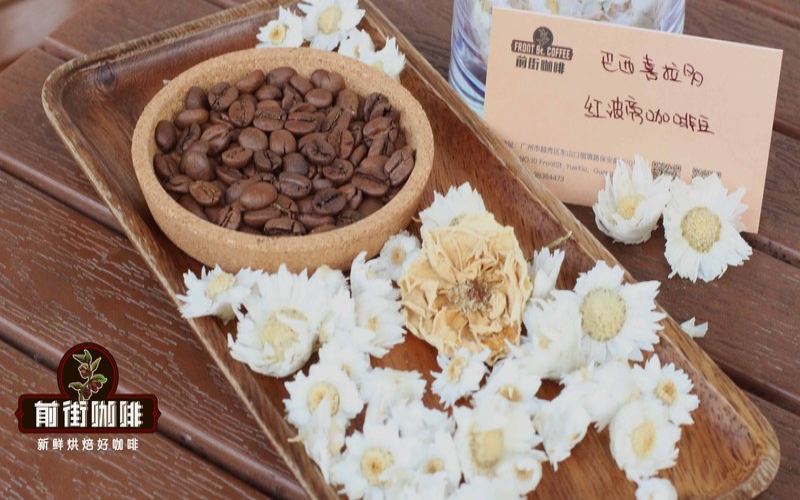
Choosing Espresso Blend Beans by Roast Level: From Bright Acidity to Full-Bodied Richness
When making espresso, the roast level of a blend directly affects the flavor, texture, and suitable drinking occasions of the shot. Light roasts more easily preserve bright acidity and fruity notes, medium roasts bring sweetness, aroma, and body to a more balanced position, while medium-dark and dark roasts lean closer to nutty, cocoa, and roasted tones. For those just getting into espresso, [more…]
Light Roast or Dark Roast? The Bean Selection Logic for Pour-Over Beginners
When you first start buying hand-brewed coffee beans, roast level is a very practical entry point to observe. It affects the coffee's sweet-and-sour expression, aroma type, mouthfeel weight, and brewing fault tolerance. When faced with descriptions on the packaging such as floral, fruity, nutty, or caramel, you can first judge whether the beans are light roast, medium roast, or dark roast, and then think about what kind of cup you want to drink. [more…]
How full should you fill the moka pot with coffee grounds? Should you tamp? How hard? From beginner to expert: an advanced guide to choosing beans
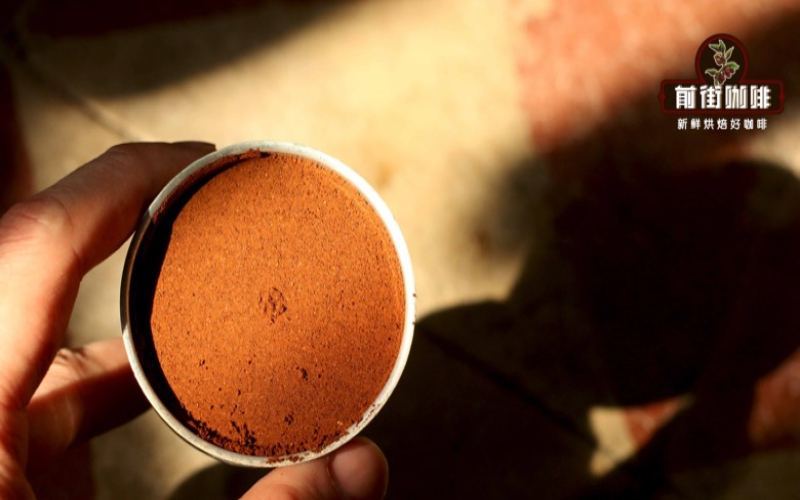
Understanding flavor as merely two directions—sour and bitter—misses the layers of aroma, sweetness, body, mouthfeel, and finish. When choosing beans, first determine whether you lean toward floral and fruity notes, nutty and cocoa notes, or a balance of both, then make your decision based on origin, processing method, and roast level. As a steam-pressure device, a moka pot's coffee bed only needs to be filled level with the filter basket. [more…]
How to Choose Full-Bodied Coffee Beans: From Flavor Direction to Brewing Method
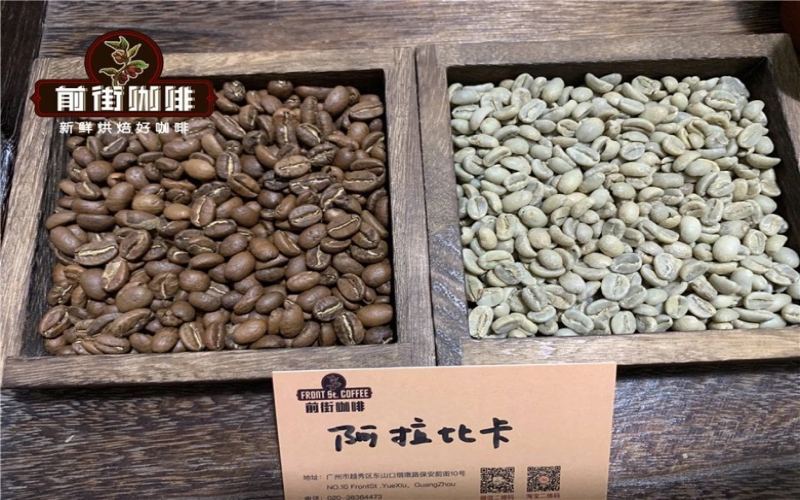
The flavor of a cup of coffee isn't just about acidity or bitterness—it also includes aroma, sweetness, body, mouthfeel, and finish. When choosing beans, first decide whether you want floral and fruity notes, nutty and cocoa notes, or a balance between the two, then match that to the corresponding origin, processing method, and roast level. Dark roasts push the flavor toward cocoa and nutty [more…]
What beans pair with a latte, cappuccino, and Dirty respectively?
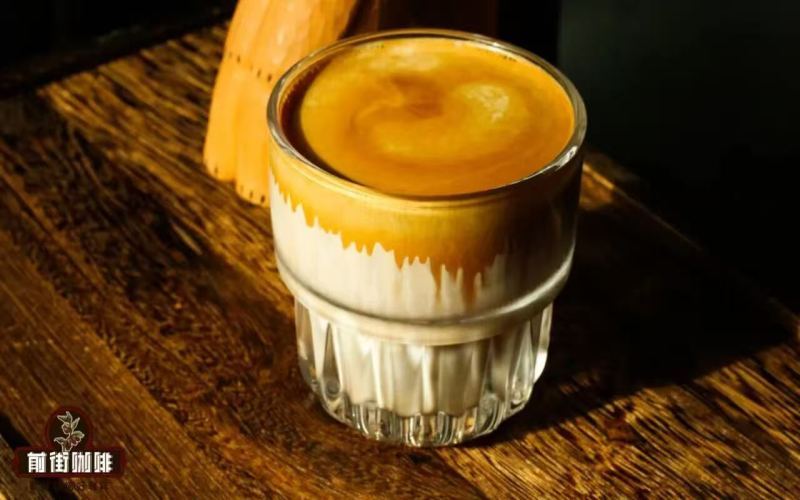
They are all milk coffees, but a latte, a cappuccino, and a Dirty differ in milk foam thickness, temperature, and drinking method, so they also have slightly different requirements for the beans. Choose the right beans, and each milk coffee can show its best form. Latte: balance and richness are the key. A latte has thinner milk foam, and the ratio of coffee to milk is close, [more…]
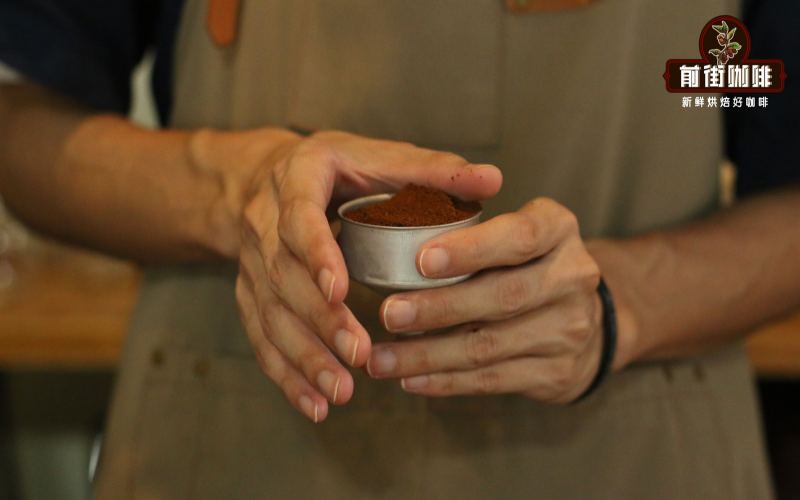
Moka Pot: Blend or Single-Origin? Let's Settle It Once and for All
When you go to a coffee shop to buy beans, the staff will always ask: "Do you want a blend or a single origin?" Beginners are often stumped by this question: Aren't they all just coffee beans? What's the difference? When it comes to a moka pot, the difference is actually quite significant. Blend beans and single-origin beans follow two different design approaches. Blending is about making up for one's shortcomings by combining beans from different regions according to [more…]
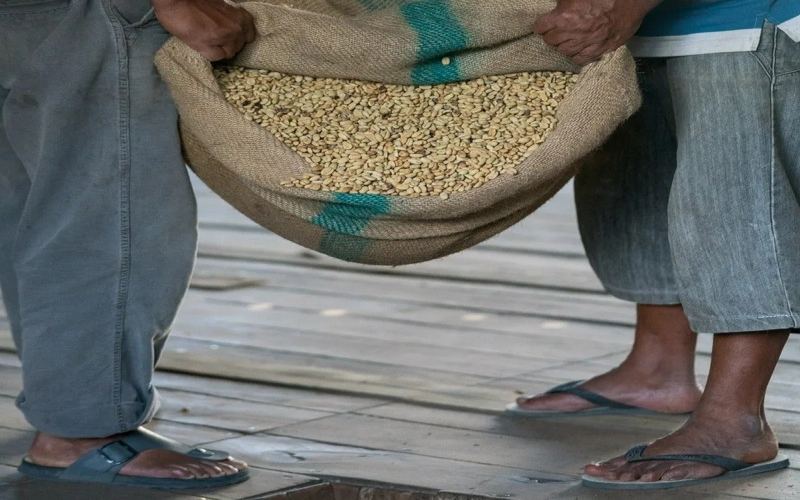
Choosing coffee beans with a full-bodied crema based on roast level
If you want a cup of coffee that looks oily and has a thick, rich mouthfeel, make roast level your first consideration when choosing beans. Light-roasted beans usually emphasize floral and fruity notes along with bright acidity; their surface is dry and they show little oiliness. Medium to dark roasts, on the other hand, more readily develop nutty, cocoa, caramel, and roasted aromas, and taste richer as well. If your daily routine centers on [more…]
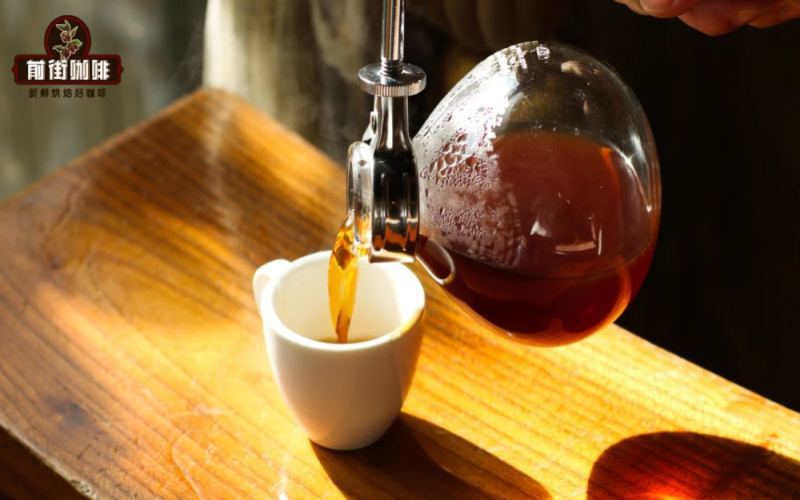
Analysis of Why Siphon Coffee Tastes Weak and What Coffee Beans to Pair for a Richer, More Aromatic Extraction
Coffee brewed with a siphon is supposed to be full of aroma and rich in body, yet sometimes it turns out flat and tasteless—the problem often lies in the operational details and bean selection. The siphon relies on a cloth filter, whose larger pores allow some fine particles to pass through, bringing a pleasant mouthfeel. This article starts with the origin and working principle of the siphon, then guides you through how to use the two techniques of stirring and immersion, paired with Front Street Costa Rica Mozart coffee beans, to brew a rich coffee woven with floral and fruity notes. It will also share practical tips on water temperature control and cloth filter maintenance to help you consistently produce a satisfying cup of siphon coffee. [more…]